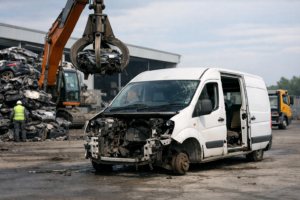
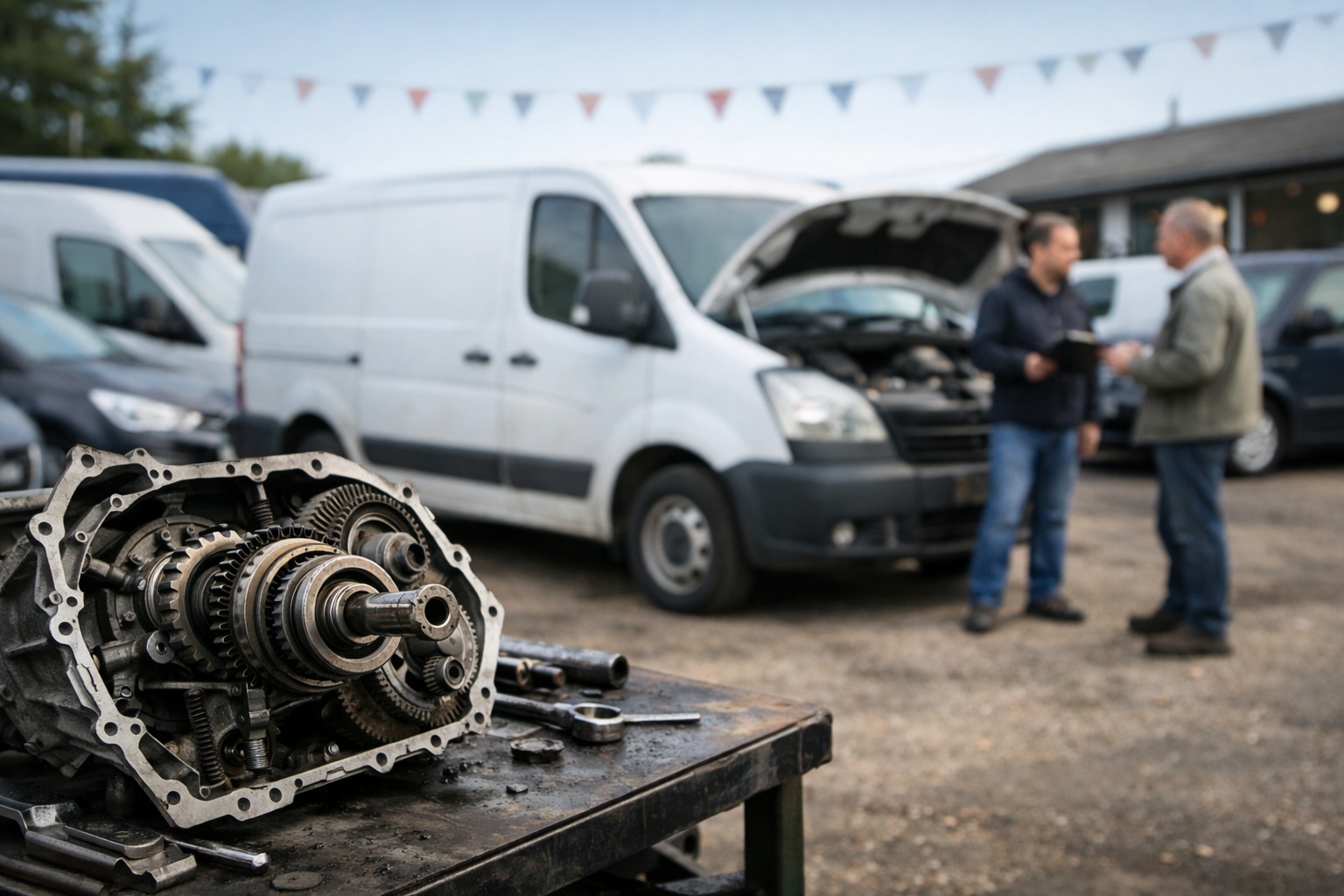
You can sell a van with gearbox problems in the UK — and get a fair price for it. The key is knowing your van’s true condition, disclosing the fault honestly, and approaching the right buyers. This guide walks you through every step, including how to protect yourself legally.
What you’ll need before you start
Before you begin, gather the following. Having these ready speeds up the process and puts you in a stronger negotiating position.
- Your van’s V5C logbook (registration document)
- Any service history, MOT certificates, or repair invoices
- The fault codes from a diagnostic scan (more on this below)
- A rough idea of your van’s make, model, mileage, and year
- 30–60 minutes to get quotes and compare offers
Note
You do not need to fix the gearbox before selling. Attempting a repair that isn’t completed properly can actually reduce the van’s value to trade buyers who prefer to assess faults themselves.
Step 1: Diagnose the gearbox fault properly
Know exactly what’s wrong before you speak to any buyer. A vague description like “it slips a bit” will cost you money — either in lowball offers or in lost trust when a buyer discovers more than you described.
Take the van to a mechanic or auto-electrician and ask for an OBD (On-Board Diagnostics) scan. OBD is the standardised system used in all modern vans to log fault codes electronically. Common gearbox-related codes include P0700 (transmission control system malfunction), P0730 (incorrect gear ratio), and P0741 (torque converter clutch circuit). Write these down — specific codes signal to buyers that you know your vehicle.
For manual gearboxes, a physical inspection matters more than codes. Ask the mechanic to note whether the fault is in the clutch, synchromesh, selector forks, or the gearbox itself. These are different problems with very different repair costs.
Pro tip
A diagnostic report costs roughly £40–£80 at most garages. That small spend can add hundreds to your final sale price by proving transparency to buyers.
Step 2: Understand what your van is worth with a gearbox fault
A van with gearbox failure is worth less than a fully working example — but it is not worthless. Buyers in the broken van market price vehicles based on what the repair costs them, not what it would cost you at a main dealer.
For a common van like a Ford Transit or Mercedes Sprinter, a gearbox rebuild typically costs a trade buyer £800–£2,000 depending on whether it’s manual or automatic. A van automatic gearbox fault buyer — a specialist who buys and refurbishes these vehicles — will factor that cost in and still offer a realistic price based on the van’s age, mileage, and body condition.
Check what equivalent vans in working condition sell for on AutoTrader or eBay Motors. Subtract the estimated repair cost, then subtract a margin for the buyer’s time and risk. That range is your realistic floor.
Warning
Avoid online valuation tools that don’t account for mechanical faults. They’ll give you an inflated figure that sets unrealistic expectations and wastes everyone’s time.
Step 3: Disclose the fault honestly — and protect yourself legally
This is the step most guides skip entirely. Honest disclosure isn’t just good ethics — it is legal protection.
Under the Consumer Rights Act 2015 and the Misrepresentation Act 1967, selling a vehicle with a known defect you’ve concealed can expose you to claims for misrepresentation, even in a private sale. If a buyer can prove you knew about a gearbox failure van sell situation and hid it, they can seek a refund or compensation.
Here’s what honest disclosure looks like in practice. State the fault in writing — in your listing, in any email exchange, and ideally in the sale receipt. Include the diagnostic fault codes you retrieved in Step 1. Note the symptoms (e.g. “slips between 3rd and 4th gear under load” or “will not select reverse”). Confirm whether the van is driveable and for how long. If you’re using a specialist buyer, they’ll often ask you to complete a condition form — fill it in accurately.
When you sell through a reputable specialist, selling a van with mechanical issues through a dedicated broken van buyer typically means they handle all the paperwork and the legal transfer is clean and documented. Keep copies of everything.
Pro tip
Add this sentence to any written sale agreement: “The buyer acknowledges the vehicle is sold as seen, with the following known faults declared: [list faults].” This single line, combined with your diagnostic evidence, makes a misrepresentation claim almost impossible to sustain.
Step 4: Choose the right type of buyer
Not every buyer is right for a van with a gearbox fault. Match your van to the market that values it most.
Specialist broken van buyers are the fastest route. Companies that specifically buy non-runners and mechanically faulty vans assess your van on its salvage or repair value. They move quickly — often collecting within 24–48 hours — and the price is transparent. This is the best option if speed matters or the van is not roadworthy.
Trade buyers and mechanics sometimes buy faulty vans to repair and resell. If you have a desirable model in good body condition — a low-mileage sell automatic gearbox van situation — a local trader may pay more than a salvage specialist because they see retail profit at the end.
Private buyers are possible but carry the most risk. A private buyer who later claims they didn’t know about the gearbox fault can cause legal headaches even if you disclosed it verbally. Always get written acknowledgement.
Auction houses accept non-running vehicles, but fees eat into your return and you won’t know the final price until the hammer falls.
Step 5: Get multiple quotes and compare them properly
Never accept the first offer. Get at least three quotes before deciding.
Contact two or three specialist buyers and one local trader. Give each one the same information: make, model, year, mileage, gearbox fault codes, and body condition. This levels the playing field and makes offers directly comparable.
When comparing, check what’s included. Does the quote include free collection? Is VAT added later? Are there admin fees? A quote of £1,200 with £150 collection fee is worse than £1,100 collected free.
Pro tip
Mention that you have competing quotes. Reputable buyers won’t pressure you, but they may sharpen their offer when they know you’re comparing.
Step 6: Complete the sale and notify the DVLA
Once you’ve accepted an offer, act quickly. The broken gearbox van value you’ve been quoted is based on current scrap metal prices and parts markets — both fluctuate.
Sign the V5C logbook and give the green slip (or the relevant section for online transfer) to the buyer. Complete the DVLA online notification at gov.uk to confirm you’ve sold the vehicle. Do this the same day — if the buyer drives the van away and is involved in an incident before you’ve notified the DVLA, you could face complications.
Keep a copy of the sale receipt, the buyer’s details, and the diagnostic report for at least two years. If any dispute arises, this paperwork is your defence.
Warning
Never hand over the V5C before payment is confirmed. For cash transactions, count it. For bank transfers, wait for the funds to clear before releasing the vehicle.
Troubleshooting
“My quotes are much lower than I expected.”
This usually means the market is pricing in a more expensive repair than you anticipated, or the van has other issues (high mileage, body damage, age) compounding the gearbox problem. Get a second diagnostic opinion to confirm the fault scope, then revisit your comparison figures.
“A buyer wants to inspect the van but I’m worried about test drives.”
A van with a serious gearbox fault should not be driven far. Offer a static inspection and an engine-running demonstration instead. Most specialist buyers won’t require a road test — they’ll assess mechanically on site.
“I don’t have the V5C.”
You can apply for a replacement V5C from the DVLA for £25. Some specialist buyers will still purchase without it, but you’ll likely receive a lower offer. Sort the logbook first if time allows.
“The van is not driveable at all.”
This doesn’t block a sale. Specialist buyers routinely collect non-runners on a flatbed. Confirm this at the quote stage so collection is arranged correctly.
“I’m not sure if the fault is the gearbox or something else.”
Don’t guess. A misdiagnosis — telling a buyer it’s a gearbox when it’s actually a clutch, or vice versa — can constitute misrepresentation even if you believed it. Pay for the diagnostic scan and describe only what the report confirms.
Frequently Asked Questions
Can I sell a van with gearbox problems for a good price?
Yes — the price depends on the van’s overall condition, not just the gearbox. A low-mileage van in good body condition with a repairable gearbox fault can still command a strong offer from a trade buyer or specialist. The gearbox repair cost is deducted from market value, but that’s it.
Do I have to declare a gearbox fault when selling?
Yes, if you know about it. Concealing a known mechanical defect — including a gearbox failure — can expose you to claims under the Misrepresentation Act 1967. Always disclose in writing and keep evidence that you did.
How much does a gearbox fault reduce a van’s value?
It depends on the repair cost and the van’s base value. A manual gearbox repair might cost a trade buyer £500–£1,200; an automatic gearbox fault repair typically runs higher, at £1,000–£2,500. Expect the offer to reflect those costs plus the buyer’s margin.
Is it better to repair the gearbox before selling?
Rarely. Unless you can get the repair done cheaply through a trusted mechanic, the cost of repair usually exceeds the value it adds to the sale price. Specialist buyers prefer to assess and repair faults themselves.
What’s the fastest way to sell a van with gearbox problems?
Contact a specialist broken van buyer directly. They assess, quote, and collect — often within 48 hours — without requiring the van to be roadworthy.
Key takeaways
- Get a proper OBD diagnostic scan and note the specific fault codes before approaching any buyer
- Disclose the gearbox fault in writing every time — it protects you legally under UK consumer law
- Specialist broken van buyers offer the fastest, cleanest route to sale for non-roadworthy vehicles
- Always get at least three quotes and check whether collection and fees are included
- Complete the DVLA transfer notification on the day of sale and keep all paperwork for two years